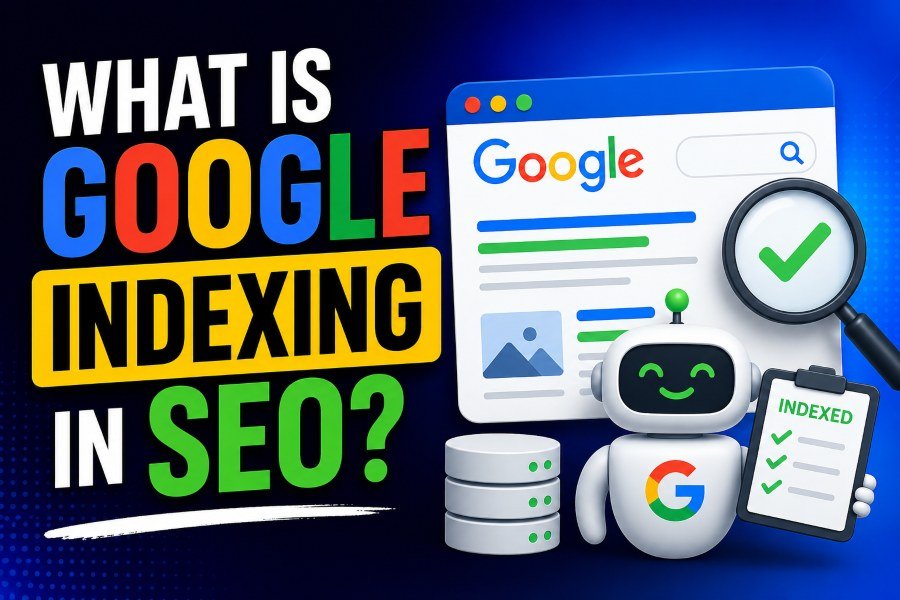
In the world of SEO, understanding what Google indexing is and how it works is crucial for the success of your website. Google indexing is the process through which Google adds your content to its vast database after crawling your site.
Without indexing, no matter how well-optimized your site is, it won’t show up in search results. In this guide, we will explore the importance of indexing, how it works, and steps to ensure your website is indexed properly to improve your search engine rankings.
The Basics of Google Indexing in SEO
Google indexing is an essential part of the search engine optimization (SEO) process. Once Googlebot, Google’s web crawler, scans a webpage, it adds that page to its index if it meets certain criteria. Pages in the index are eligible to appear in Google search results. The purpose of indexing is to ensure that Google’s algorithms can access and evaluate the content of a website, making it searchable for users. Without indexing, your content is invisible to Google and, consequently, to your audience.
To ensure that your website is indexed, you must make it accessible to Googlebot. You can do this by submitting your sitemap through Google Search Console and optimizing your website’s structure. Additionally, ensuring that your site is free from technical issues such as slow load times and blocked content is crucial for successful indexing.
For instance, you can rely on professional SEO services UK for higher ranking, which help you ensure proper indexing and visibility of your site across the web. The right professional services can streamline your indexing process, making sure your pages are not only indexed but also optimized for high search rankings.
Why Google Indexing Is Important for SEO Success
Google indexing is a fundamental part of search engine optimization (SEO). Without it, your website’s content remains hidden from searchers. This is why understanding how indexing works is essential for SEO success. When Google indexes a page, it evaluates the content based on relevance, authority, and user experience factors, among others. Indexed pages then have the potential to rank on search engine results pages (SERPs), which significantly impacts your site’s visibility and organic traffic.
Indexed content can be ranked higher if it meets certain criteria, including quality of content, backlinks, and overall website health. Therefore, it’s not enough to just get indexed; your pages need to be properly optimized to achieve higher rankings. As an example, if you’re aiming to improve your eCommerce business, focusing on getting your pages indexed is a crucial first step in improving your site’s visibility.
To maximize your site’s indexing performance, consider using services like eCommerce SEO for UK brands which specialize in improving your site’s visibility and search rankings, directly impacting how quickly your pages are indexed and ranked.
The Google Indexing Process: How It Works
Google’s indexing process involves several key steps, starting with crawling, then moving to rendering, and finally indexing. Crawling is when Googlebot visits your site and collects data from it. Once the data is collected, Googlebot renders the content to understand how it will appear to users. After rendering, the page is added to Google’s index if it meets the necessary quality and relevance criteria.
A page’s indexation depends on several factors, such as its accessibility to Google’s crawlers and its overall quality. For instance, a poorly optimized page, or one with too many errors, may not be indexed. It’s important to regularly check your website’s health and submit any new pages to Google Search Console to prompt Googlebot to crawl them more quickly.
You can learn more about the importance of Google indexing through services like professional link building services UK, which help you build the right backlinks that signal to Google that your site deserves to be indexed and ranked.
Common Issues That Prevent Google Indexing
There are several reasons why pages may not get indexed by Google. These include issues such as robots.txt files blocking Googlebot, pages marked with “noindex” tags, duplicate content, or technical problems like server errors. If your website is not being indexed, it’s crucial to identify and address these issues.
For instance, you might find that certain parts of your site are blocked by the robots.txt file, preventing Google from accessing your content. Another common issue is having a low crawl budget, which can prevent Googlebot from fully crawling and indexing all the important pages on your website. Ensuring that your site has proper internal linking and a clean, accessible structure is key to overcoming these challenges.
For example, SEO audit services for UK brands can help you pinpoint technical SEO problems that may be affecting your site’s indexing and help you fix them, ensuring your pages are indexed correctly.
How to Ensure Your Website Gets Indexed by Google
The best way to ensure that Google indexes your website is by making it accessible and optimized for both Googlebot and your users. Here are a few steps to help you get started:
- Create and Submit a Sitemap: This helps Googlebot find all the pages on your website that need to be crawled and indexed.
- Use Google Search Console: This tool allows you to monitor your site’s indexing status and submit individual pages for crawling.
- Optimize Your Website’s Structure: Make sure that your website is user-friendly and easy for Googlebot to crawl. Avoid excessive JavaScript or media that may slow down the crawling process.
- Fix Technical Issues: Regularly check for technical issues like 404 errors, slow loading times, and other problems that might hinder the indexing process.
By implementing these strategies, you can significantly improve the chances that your website gets indexed properly and quickly. Services like professional SEO services provider UK can help you take the guesswork out of the process by guiding you through the indexing requirements and ensuring that your site is optimized for success.
Monitoring Your Google Indexing Status
Once your site is indexed, it’s important to monitor its performance. Google Search Console is a valuable tool for tracking how many of your pages are indexed and whether there are any issues with crawling or indexing. By reviewing this data, you can identify any problems that may arise and quickly address them before they affect your rankings.
If you notice that certain pages are not getting indexed, you can take action by submitting them again through Search Console or investigating any potential technical issues on your site. Keeping track of your site’s health is an ongoing process that will help you maintain high visibility in search results.
Conclusion
In conclusion, understanding what Google indexing is in SEO and how it impacts your website’s visibility is essential for success in digital marketing. By following best practices, ensuring that your site is properly indexed, and addressing any technical issues, you can significantly improve your chances of ranking higher in Google search results. Whether you are starting a new website or working on improving an existing one, indexing should be a top priority in your SEO strategy.
For businesses in the UK, working with a professional SEO services UK for higher ranking can be a game changer. A reliable SEO partner can help ensure your site is not only indexed but also optimized for the best search rankings.
FAQs
What is Google indexing, and why is it important for SEO?
Google indexing is the process of storing and organizing web pages in Google’s database after they are crawled. It’s important for SEO because indexed pages can appear in search results, driving traffic and improving site visibility.
How does Googlebot crawl and index a website?
Googlebot, Google’s web crawler, scans the content of web pages by following links. It then renders the pages and adds them to the Google index if they meet quality standards, making them eligible to appear in search results.
How can I ensure that my website is indexed by Google?
To ensure indexing, submit your website’s sitemap to Google Search Console, optimize your site’s structure, and make sure your pages are accessible and free of technical errors like “noindex” tags, slow loading speeds, or blocked content.
Why do some pages fail to get indexed by Google?
Pages may fail to be indexed due to issues like blocked content via robots.txt, “noindex” tags, low-quality content, or duplicate pages. Additionally, poor website structure or technical errors may prevent Google from properly crawling and indexing pages.
What is the difference between crawling and indexing?
Crawling is when Googlebot scans and discovers pages on a website. Indexing follows crawling, where Google stores these pages in its database, making them available for ranking in search engine results. Both steps are crucial for SEO success.
How can I check if my site is properly indexed by Google?
Use Google Search Console to check your website’s indexing status. It provides insights on how many pages are indexed, any issues related to indexing, and allows you to submit sitemaps or individual URLs for crawling.
Does having a robots.txt file affect indexing?
A robots.txt file can affect indexing if it blocks Googlebot from accessing certain parts of your website. Make sure to configure it correctly so that important pages are crawled and indexed while blocking irrelevant or private content.
How long does it take for a page to get indexed by Google?
The time it takes for a page to get indexed by Google can vary. It depends on factors such as website authority, crawl frequency, and the quality of the content. Submitting your sitemap via Google Search Console can speed up the process.
How do I fix pages that are not being indexed by Google?
To fix pages not being indexed, check for technical issues like “noindex” tags, slow loading times, or blocked content. Use Google Search Console to identify any problems and re-submit pages for indexing once issues are resolved.
How can I optimize my website to ensure better indexing?
To optimize for better indexing, ensure fast loading speeds, clean URL structures, mobile-friendliness, and high-quality content. Also, submit an XML sitemap to Google Search Console, and use internal linking to help Googlebot discover all your important pages.